


The American College of Lifestyle Medicine states “Lifestyle Medicine involves the use of evidence-based lifestyle therapeutic approaches, such as a predominantly whole food, plant-based diet, regular physical activity, adequate sleep, stress management, avoidance of risky substance use, and other non-drug modalities, to prevent, treat, and, oftentimes, reverse the lifestyle-related, chronic disease that's all too prevalent”.
The purpose of our website is to provide resources for practitioners, staff, and patients to support Optimizing Lifestyle and thus Optimizing Health. We have divided resources into three categories: internal to our institution, local to our community and virtual (websites, blogs and apps).

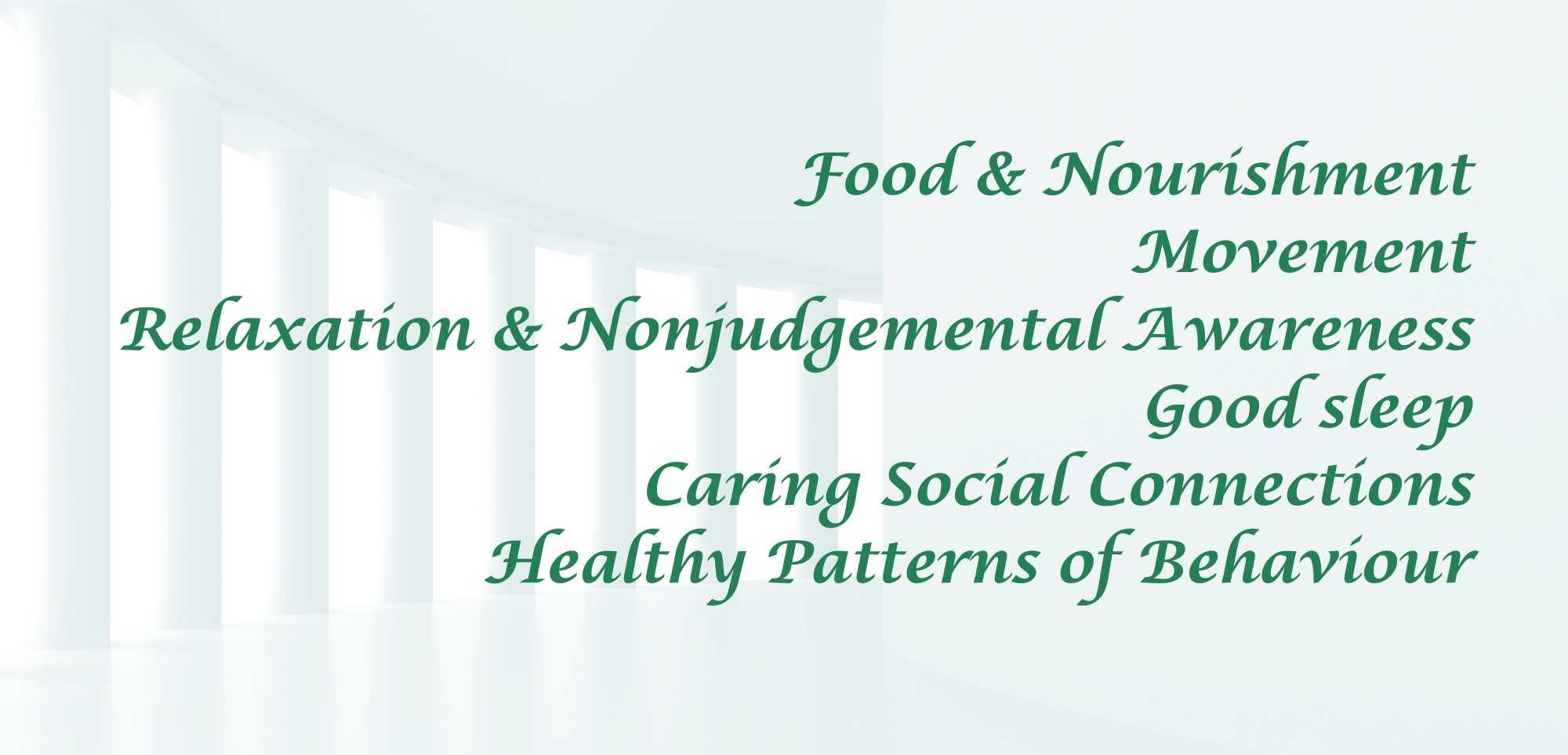
In our lifestyle medicine website, we will call the pillars:
Why is this important?
Chronic diseases such as obesity, hypertension, diabetes, depression, heart disease, arthritis, acid reflux, lung and kidney disease, dementia, and cancer are increasingly common. Many of these conditions are influenced by lifestyle habits and environmental factors, which can contribute to inflammation, tissue damage, and the activation of genetic predispositions. In the United States, approximately 90% of healthcare spending is associated with treating chronic and mental health conditions.
Research has shown that maintaining a healthy weight, exercising regularly, avoiding smoking, and eating a diet rich in whole, plant-based foods can significantly reduce the risk of chronic diseases. A healthy diet emphasizes fruits, vegetables, beans, nuts, seeds, and whole grains while limiting red and processed meats, refined grains, added sugars, and other highly processed foods. Together, these lifestyle habits can dramatically lower the risk of developing type 2 diabetes and heart disease and may reduce the risk of certain cancers by approximately one-third.

Research suggests that eating a predominantly plant-based diet and engaging in regular physical activity can support a healthy immune system and may reduce the risk of certain infections, including respiratory illnesses such as the common cold, influenza, and COVID-19. These healthy lifestyle habits can also help regulate inflammation and support overall health and well-being.
In a nutshell, a healthy lifestyle optimizes the biological pathways and functioning of our body by decreasing inflammation and regulating our body systems, thus increasing our chances to enjoy a longer, vibrant, disease-free life.